


Home / Resources / Product Information / Kitchen Tile Design Inspiration
Kitchen Design Ideas
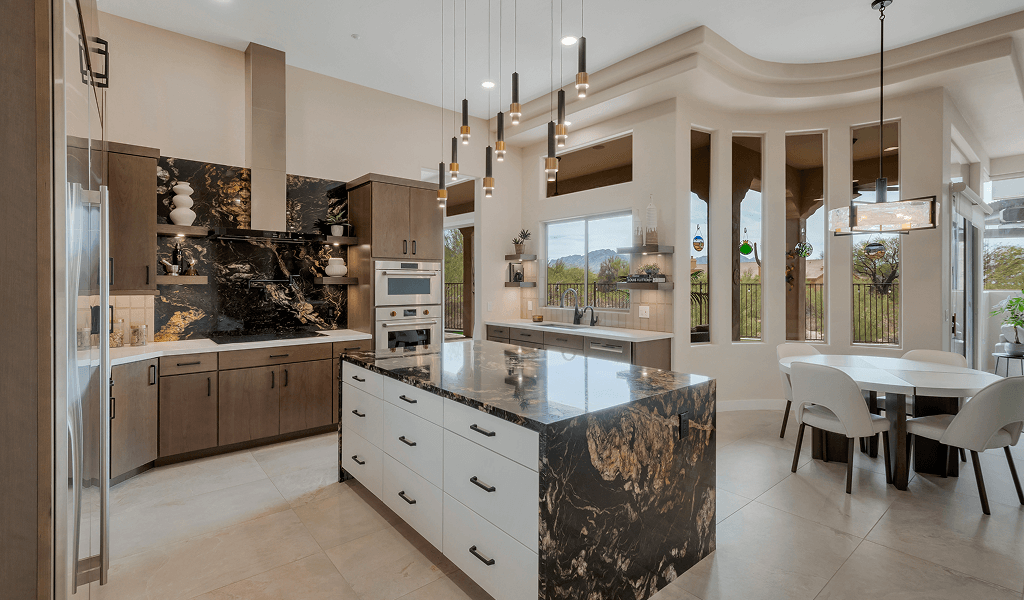
When it comes to designing your dream kitchen, keep in mind that every homeowner has a different vision of what a functional, beautiful space looks like. There isn’t one size that fits all.
Some families gather around an island for casual dinners, others prefer sleek galley layouts that maximize efficiency, and some want the seamless connection of an open kitchen. No matter your style, the tile and countertops are the most versatile elements for pulling the look together. Be it kitchen flooring, backsplashes, or walls, it does double duty as a hardworking surface and a statement-maker.
Below, you’ll discover the best kitchen design options and get design ideas to help you choose surfaces that make your kitchen both practical and personal.
Design Ideas For Your Kitchen
Your kitchen layout sets the stage for how the space looks and works day to day. The right tile choices can elevate both style and functionality. Here’s how different kitchen tile pairs with thoughtful design:
Island Kitchen Design
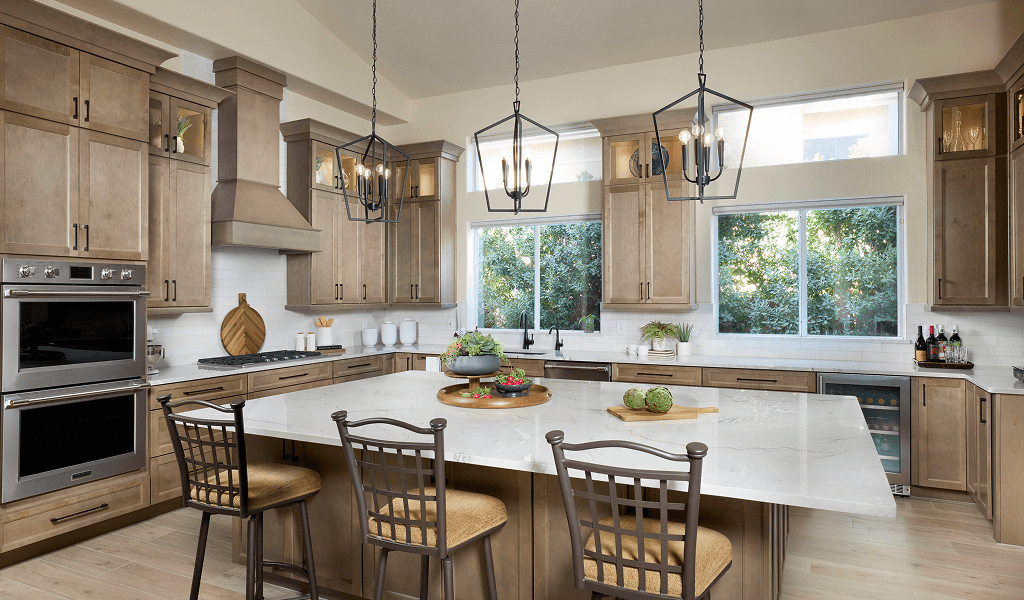
An island kitchen centers around—you guessed it—the island. Serving as both a workspace and a gathering spot, it often becomes the heart of the room.
In an island kitchen layout, tile can shine on the flooring for durability, wrap around the island base for a bold accent, or be a neutral backdrop for your countertop and backsplash. Pair a durable surface with a decorative backsplash to strike the balance between function and eye-catching design.
Parallel Kitchen Design
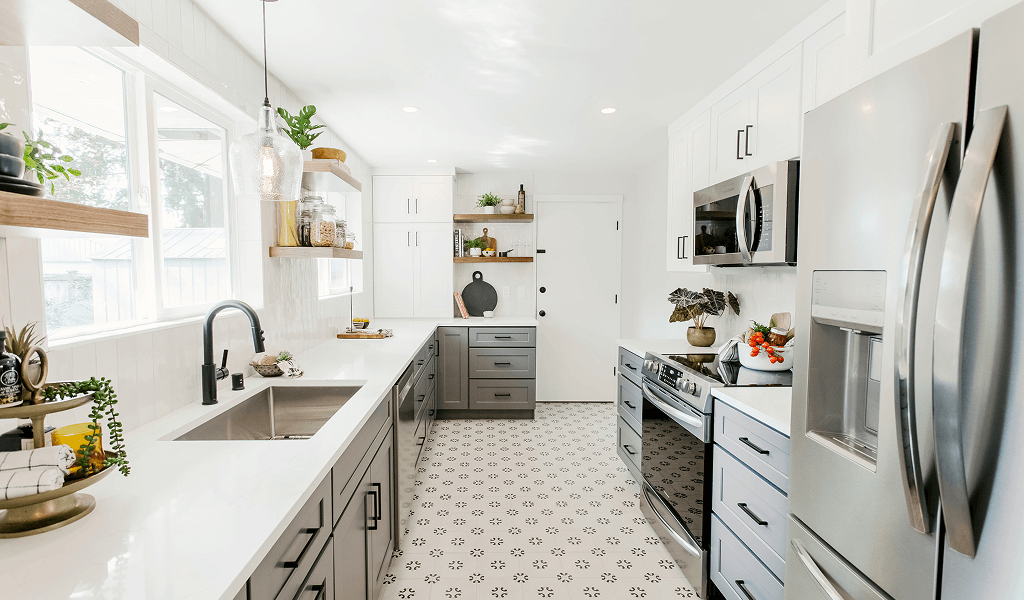
Also called a galley or corridor kitchen, a parallel kitchen design features two counters running opposite each other. This efficient style benefits from flooring that connects both sides, wall surfaces that stand up to splashes, and countertops that maximize prep space.
Another parallel kitchen design idea is to incorporate a backsplash to add personality to an otherwise streamlined space.
Straight Kitchen Design
A straight kitchen layout keeps everything in one line along a single wall and is often found in apartments or smaller homes. Using tile to add texture or color in this compact space will create an intentional and stylish feel.
L-shaped Kitchen Design
An L-shaped kitchen wraps counters and cabinets along two adjoining walls, creating a natural work triangle. This kitchen layout benefits from countertops that define each leg of the “L.” The countertops chosen, whether granite, quartz, marble, or other, can help zone this versatile space, for example, using one material for the cooking side and another for the prep or serving side.
U-shaped Kitchen Design
U-shaped kitchens have three walls of cabinets and counters, maximizing storage and prep space. With so much surface area, tile is especially impactful here. Design ideas for this kitchen layout are continuous flooring that ties the room together, backsplashes that define each wall, and countertops that balance durability with style.
Open Kitchen Design
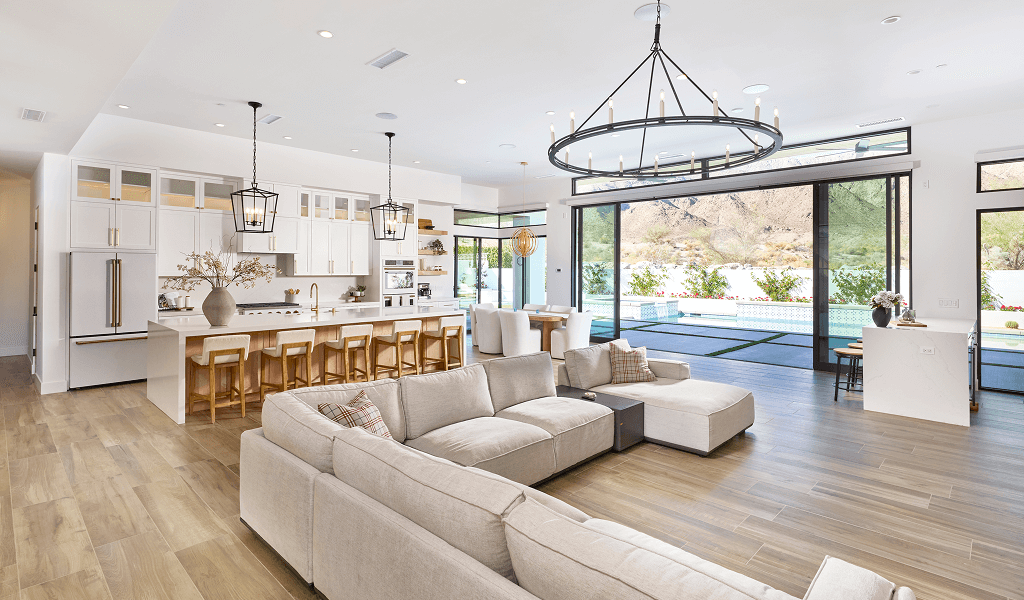
Open kitchens connect seamlessly to living or dining areas, making them as much about aesthetics as function. Tile flooring in an open concept kitchen should transition smoothly into adjoining spaces, with backsplashes and countertops serving as focal points. Choosing finishes that complement the broader home design will provide harmony throughout.
Galley Kitchen Design
Distinct from parallel kitchens, a galley kitchen is typically longer and narrower, with counters on either side. Using lighter-colored surfaces or reflective finishes can help the space feel more open. Bold accents can be added to create personality.
Outdoor Kitchen Design
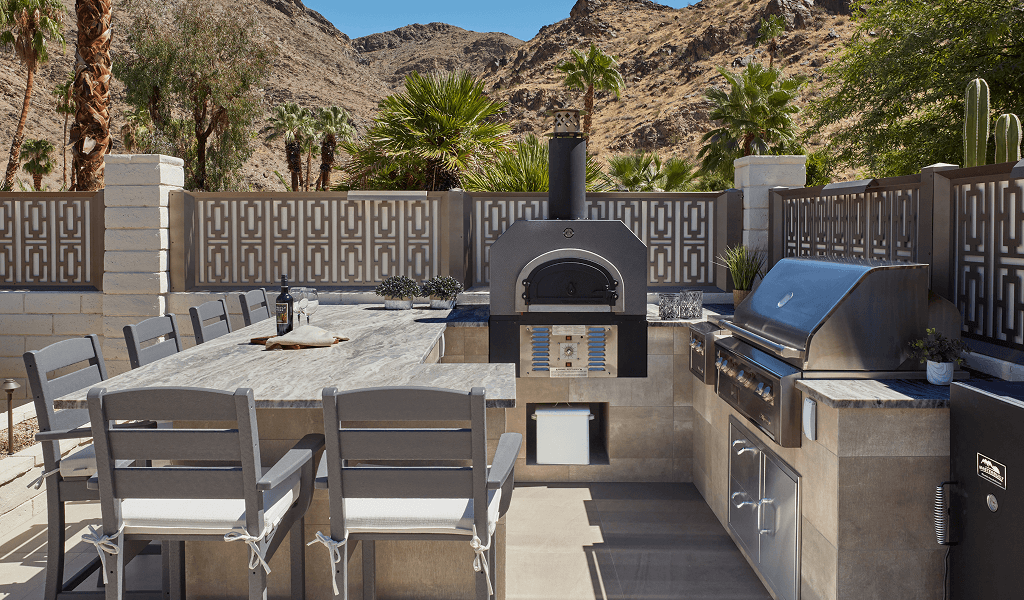
Outdoor kitchen tile must be highly durable since flooring, countertops, and wall surfaces need to withstand the heat, rain, or even snow, depending on your climate. Choosing finishes that may provide more grip on the walking surfaces and products that are made for outdoor use will help your outdoor kitchen design remain like new for the long haul.
Restaurant Kitchen Design
Restaurant kitchens are designed for high traffic and efficiency, with surfaces that can take daily wear and tear. Tile in these spaces must be durable, hygienic, and easy to clean—especially for flooring, walls, and backsplashes. Countertops should balance practicality with style. This is especially important for restaurant kitchen designs with an open concept, where guests can see the prep area.
Best Material for Your Kitchen Design Project
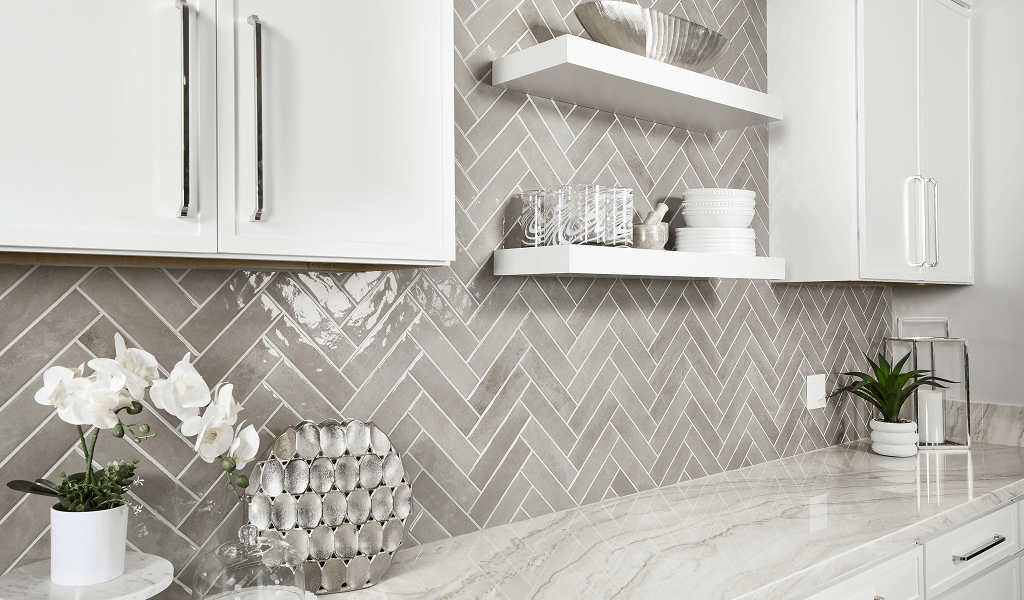
Choosing the right material is just as important as choosing the right color or pattern. Each material type has its own strengths, maintenance needs, and ideal applications. Some of the most popular and effective kitchen surface materials include:
Porcelain
Porcelain kitchen tile is one of the most versatile and durable options available. Its density makes it highly resistant to water, stains, and scratches, which is why it’s a go-to for busy kitchens. Porcelain also comes in endless styles, sizes, and colors, and requires minimal maintenance—regular sweeping and occasional mopping will keep it looking like new.
Ceramic
Kitchen ceramic tile shares many of porcelain’s qualities but is slightly less dense, and is best used on walls and backsplashes. It’s a cost-effective option that still offers a wide array of styles to choose from.
Marble
Marble has been used for centuries in kitchen design as a symbol of elegance and sophistication. Its natural veining creates a dramatic, one-of-a-kind look that works beautifully on countertops, backsplashes, or feature walls.
Because marble is more porous, it requires sealing and regular upkeep to prevent stains or etching, but its timeless beauty often makes the extra care worthwhile.
Quartz
Quartz kitchen surfaces are engineered to combine style with practicality. Non-porous and resistant to staining, quartz can be used for functional areas like countertops and also makes a striking design feature on walls or islands. Maintenance is minimal, typically requiring only basic cleaning.
Granite
Granite is prized for its longevity. This natural stone is incredibly strong, heat-resistant, and available in a wide range of patterns and colors. It’s a favorite for countertops where durability is essential. Like other natural stones, granite requires sealing to protect it from stains, but with proper care, it can last a lifetime.
Quartzite
Quartzite is another ideal natural stone for use in kitchens. Known for its hardness and luminous appearance, quartzite is a great choice for countertops, feature walls, or expansive backsplashes. While it has a natural resistance to heat and scratches, sealing is necessary to protect it against water absorption and stains.
Limestone & Travertine
Limestone kitchen and travertine kitchen designs both bring warmth and authenticity, though they differ in look and feel. All travertine is a type of limestone, but not all limestone is travertine.
Travertine is known for its natural pits and rustic texture, while limestone has a smoother, more understated appearance. Though less common than other materials, both can be stunning in the right kitchen design, particularly for homeowners who appreciate organic, earthy finishes. Regular sealing is needed to maintain their beauty.
Natural Stone
Natural stones, such as marble, granite, quartzite, can be used in a variety of ways in kitchens. Unlike manufactured stone, natural stone offers unique veining and textures that can’t be replicated, giving each kitchen a one-of-a-kind look.
Even though it often requires more maintenance, the character and long-term value of natural stone adds are unmatched. Manufactured stone, on the other hand, provides consistency and lower maintenance, making it a practical alternative.
Glass Tile
For kitchens, glass tile can be used as accents in backsplashes or decorative strips, to add sparkle and dimension to a design.
Glass is resistant to stains and water, and is easy to wipe clean. Think of glass tile as an added detail that elevates your kitchen’s aesthetic.
Types of Kitchen Surfaces
The surface materials you select are one of the most flexible design elements in a kitchen, with the ability to enhance flooring, walls, backsplashes, and even pantry spaces. Each area has its own functional demands and design opportunities, making it important to choose the right type of kitchen material for each one.
Kitchen Flooring
When it comes to the kitchen floor, durability and safety are key. Porcelain is a popular choice because of its ability to handle heavy foot traffic, resist stains, and are easy to clean. Whichever style you choose, slip resistance may also be a priority in kitchens with heavy foot traffic.
Kitchen Countertops
Kitchen countertops allow for creative layouts and patterns, and stone slabs like granite, quartz, or marble offer a sleek, continuous surface. With so many types of kitchen countertops available, you can strike a balance between functionality and style.
Kitchen Island Countertop
A kitchen island countertop is often the centerpiece of the entire room, serving as both a functional prep space and a gathering spot. Options like quartz or granite give the island durability, while marble or quartzite can create a stunning focal point. Kitchen island countertop ideas include contrasting colors that stand apart from the main counters, or unique veining that turns the island into a design statement.
Kitchen Walls
Kitchen walls should be easy to wipe down while also complementing the rest of your kitchen design. Popular kitchen wall tile ideas include subway tile for a timeless look, large-format slabs for modern minimalism, or textured tile that adds depth and dimension.
Kitchen Backsplash
Kitchen backsplash tile is where function meets creativity. While a backsplash shields your walls from spills and splatters, it also offers a chance to showcase personality. You can carry the same material as your countertop for a cohesive feel or opt for bold kitchen backsplash tile ideas that stand out on their own.
Kitchen Pantry
Kitchen pantry flooring must be durable to withstand constant traffic, while wall or backsplash tile can help protect surfaces near outlets, countertops, or sinks inside the pantry. With creative kitchen pantry designs, you can turn this practical zone into an extension of your kitchen’s overall style.
Kitchen Surface Shapes & Sizes
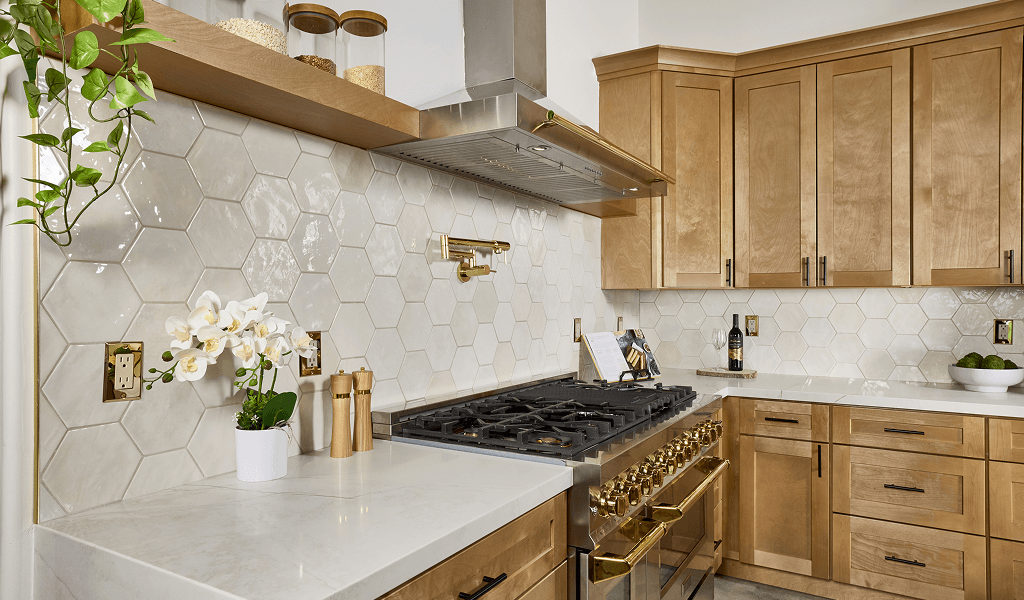
Not all kitchen tile or stone needs to be square. The shape you choose can dramatically influence the look and feel of your kitchen, especially when it comes to backsplash design. From intricate mosaics to bold hexagons or sleek large-format options, experimenting with kitchen backsplash tile shapes is an easy way to infuse character and personality into your space.
Mosaic Kitchen Tile
The term “mosaic” often refers to smaller and/or decorative tiles. These tiles are mesh-mounted, making them easier to install. They are available in natural stone, porcelain and glass, and a variety of shapes, colors and sizes. The mesh sheets can be cut to accommodate any installation and they provide the flexibility to mix different products.
Hex Kitchen Tile
Hex tile in the kitchen offers a geometric twist that feels both modern and classic. This tile is versatile, adding visual interest to floors, walls, and backsplashes. A hex tile backsplash kitchen design can serve as a subtle accent in neutral tones or a focal point with bold colors.
Large-Format Kitchen Surfaces
Large-format kitchen surfaces is ideal for making a space feel expansive and seamless. This type of surface is often used on floors to reduce grout lines, but it can also bring a bold, modern look to walls or backsplashes.
Large-format kitchen flooring works especially well in open kitchens or spacious layouts, though with creative placement, it can elevate smaller kitchens too. Materials like porcelain, marble, limestone, and agglomerate marble often offer the widest selection of large-format options.
Kitchen Design Patterns
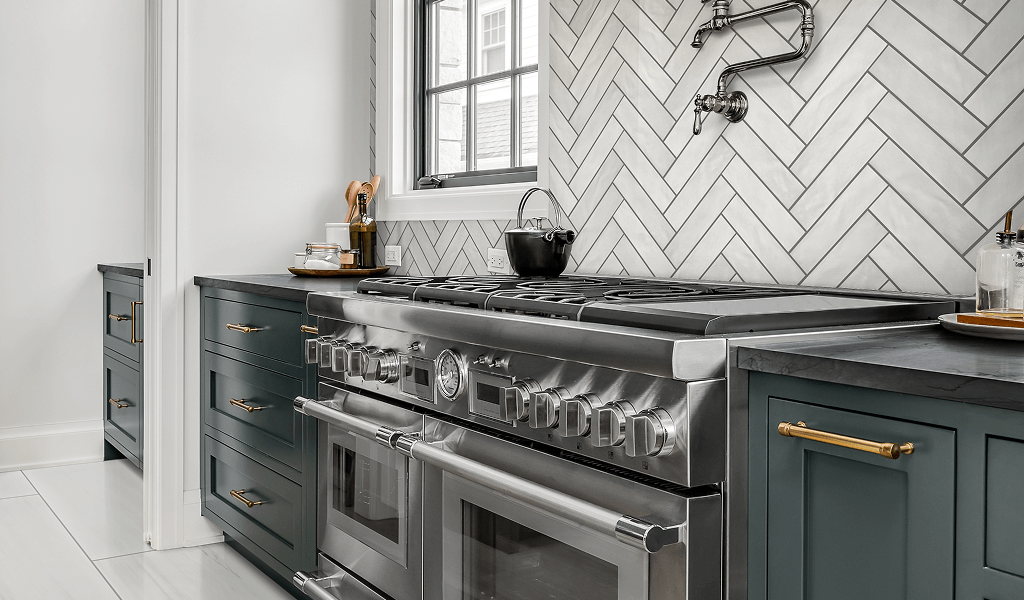
The way tile is laid can completely transform the character of a kitchen. Beyond color and material, the arrangement (whether linear, angled, or woven) adds style that elevates your space. Patterned kitchen tile offers an opportunity to play with design, letting you highlight backsplashes, accent walls, or even flooring with a look that adds distinction to your home or business.
Herringbone Kitchen Tile
Herringbone is a classic pattern where rectangular pieces are set at 45-degree angles, creating a zigzag effect that feels dynamic and timeless. A herringbone kitchen tile backsplash makes a beautiful focal point, though the pattern also works well on floors or accent walls for added visual interest.
Basketweave Kitchen Tile
Basketweave patterns mimic the appearance of interwoven fibers, bringing a handcrafted feel to your kitchen. While basketweave tile can be used on floors or walls, it really adds character when used as a backsplash. Pair a basketweave tile kitchen backsplash with neutral cabinetry or natural stone countertops for an elegant look.
Chevron Kitchen Tile
Chevron resembles herringbone but with angled ends that form clean, continuous V-shapes. Chevron tile in the kitchen works beautifully for backsplashes, feature walls, or flooring. It’s a smart choice when you want to introduce bold design without overwhelming the space.
Kitchen Surface Colors & Finishes
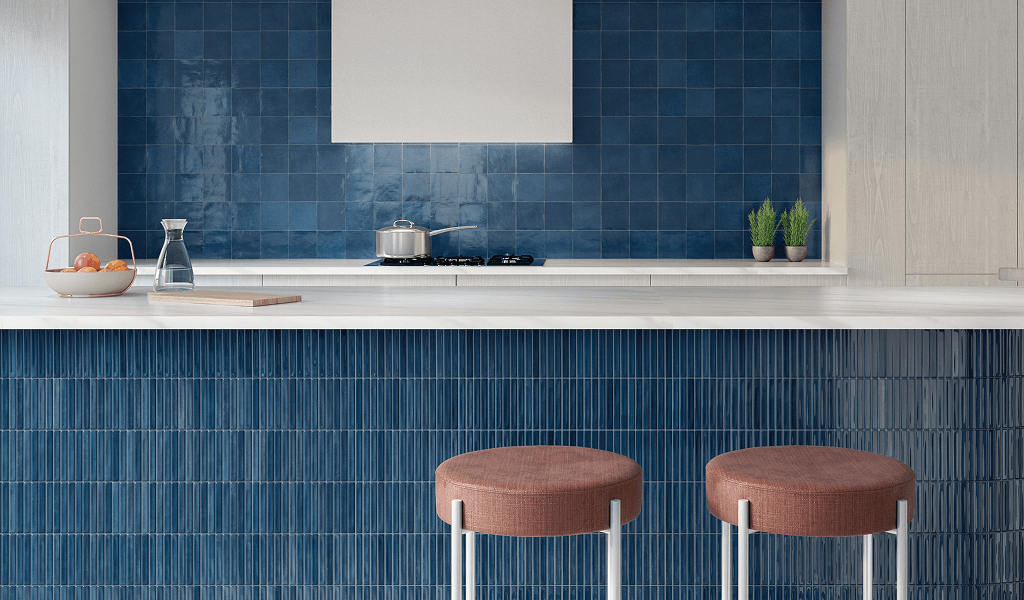
Color and finish play just as much of a role in kitchen design as shape or material. The right palette can set the mood for the room, whether you want something airy and bright, warm and welcoming, or bold and dramatic.
Finishes add another layer of design, influencing how light reflects across surfaces and how easy they are to maintain. From timeless neutrals to vibrant pops of color, there’s no shortage of ways to use colors and finishes in the kitchen to make the space your own.
Neutral Kitchen Colors
Neutral colors, such as whites, creams, grays, and soft beiges, are a timeless foundation for kitchen design. They provide flexibility, making it easy to swap out décor and accessories without clashing. Neutral tones also work wonderfully with natural stone countertops, wood cabinetry, or metallic accents.
Bold Kitchen Colors
Bright color tile surfaces can bring personality and vibrancy into your kitchen. Colorful kitchen surface choices such as deep blues, emerald greens, or even warm terracotta tones make for eye-catching backsplashes or statement walls. Used sparingly, colorful materials create focal points without overtaking the space, helping balance energy with sophistication.
Kitchen Surface Finishes
Finishes influence both the look and function of a surface. Glossy surfaces in the kitchen reflect light, making spaces feel larger and brighter, but it may show smudges more easily. Matte kitchen surfaces offer a softer, more understated appearance and tend to hide fingerprints and water spots. Both finishes can be mixed strategically, with gloss on backsplashes for a sleek touch and matte on flooring for slip resistance and ease of care.
Kitchen Tile Grout
When planning a kitchen design, most people focus solely on the surface itself; however, grout is just as important. Kitchen grout fills the space between tiles, but also impacts the durability, maintenance, and overall style of your space.
The right grout color can blend seamlessly with the tile color and protect surfaces from moisture and food spills. This is especially critical for kitchen surfaces, where durability and ease of cleaning are top priorities.
Types of Kitchen Grout
There are two main types of grout used in kitchens: sanded grout and unsanded grout. Each one is designed for specific tile applications and has its own benefits.
Sanded
Sanded grout contains fine sand particles, making it stronger and less prone to cracking. It’s ideal for wider joints (1/8 inch or more) in areas like kitchen floors and backsplashes, and comes in a variety of colors to either blend with or accent your tile. Because achieving an even, durable finish requires expertise, professional installation is recommended.
Unsanded
Unsanded grout has a smooth, sand-free texture that works best for narrow joints (under 1/8 inch) and delicate materials like glass or polished stone, where scratches need to be avoided. It’s commonly used for backsplashes and walls since it provides a sleek, seamless look. Like sanded grout, it comes in many colors, but proper installation by a professional will have the best results.

Wood-Look Kitchen Material
A wood-look offers the warmth and character of natural wood while providing the durability and easy maintenance of porcelain, making it an ideal choice for busy kitchens. This type of material is especially well-suited for flooring, where spills, traffic, and moisture are common concerns, but it can also be used on walls for accent panels or backsplashes.
Textured Kitchen Surface
Textured kitchen surfaces create warmth and give a natural feel to your space. They are well-suited for backsplashes and feature walls, where the added texture creates a striking focal point.
Kitchen Remodel Project Checklist
A kitchen remodel is exciting, but without a plan, it can easily feel overwhelming. Having a kitchen renovation checklist keeps you organized, on track, and confident that no detail will get overlooked.
Use this kitchen remodeling checklist to help guide your renovation from start to finish.
Kitchen Design FAQs
How to clean kitchen floor tile?
Most kitchen floor tile can be cleaned with warm water and a mild detergent. Avoid harsh chemicals that can damage finishes.
What size tile for kitchen backsplash?
There is no one “correct” tile size for a kitchen backsplash. Options range from small, mosaic tiles to large format, and shapes and sizes range from rectangular, subway tiles to penny rounds to pickets. The backsplash can provide a neutral background or be an accent.
How to clean grout on the kitchen tile floor?
Use a gentle grout cleaner and a soft brush to lift stains without damaging the grout. Sealing grout after installation helps make future cleaning easier.
Can you use large tile for a kitchen backsplash?
Yes, large-format tile can create a sleek, modern backsplash with fewer grout lines. It works really well in contemporary or minimalist kitchens.
Do I tile under kitchen cabinets?
In most cases, floor tile is installed before cabinets for a seamless look. However, backsplash tile is typically applied after cabinets and countertops are in place.
Start Designing Your Perfect Kitchen
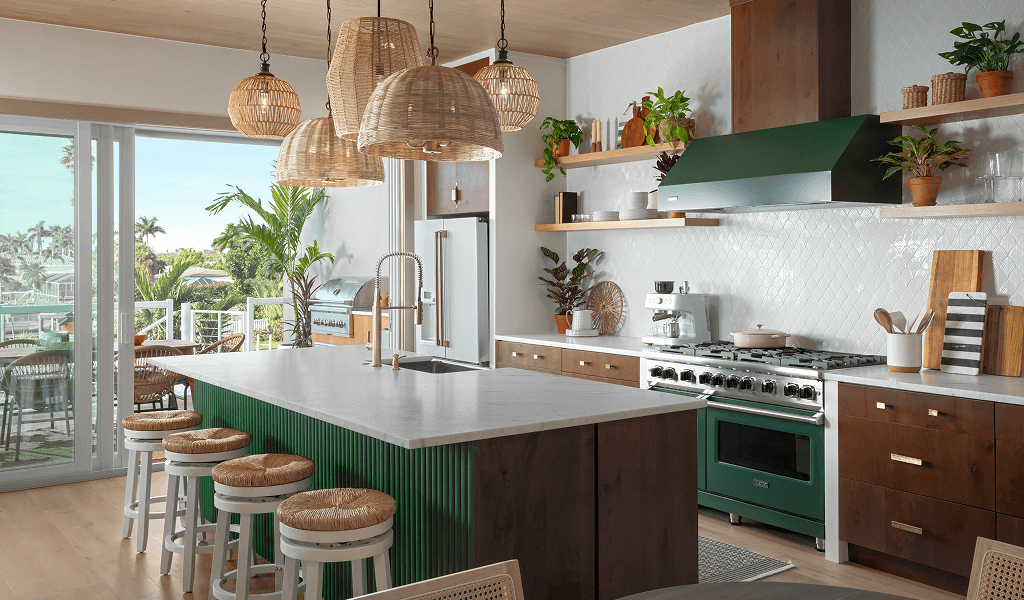
From choosing the right material to selecting shapes, grout, and finishing details, every decision plays a role in how your kitchen looks and functions. No matter what your vision looks like, thoughtful planning will result in a kitchen design that is both stylish and practical.
Ready to take the next step? Explore tile and surface options in person at one of our Arizona Tile locations, experiment with patterns with our Just Imagine tile visualizer, or browse slab selections through the Slab Yard.
Our team is always here to help with any questions you may have. Contact us today and start turning your kitchen vision into reality.